Most fantasy worlds treat magic like weather.
It appears when the story needs it, disappears when it becomes inconvenient, and leaves no lasting trace beyond spectacle. A spell explodes. A miracle happens. The scene moves on.
That was never an option for Mythnia.
From the beginning, I knew one thing with absolute certainty:
If magic exists, it must behave like truth.
And truth always has consequences.
Magic is not power. It is obligation.
In Mythnia, magic is not a talent you have. It is a rule you enter.
Every act of magic is bound to an implicit contract:
something is taken, something is altered, something is owed.
Sometimes the cost is immediate.
Sometimes it waits.
The danger is not that magic goes wrong.
The danger is that it works exactly as intended—and still destroys what the wielder hoped to protect.
This is why Mythnia’s magic system does not revolve around spell lists or flashy abilities. It revolves around commitment.
When a character uses magic, they are not showing strength.
They are declaring responsibility.
Oaths are the most dangerous form of magic
The oldest magic in Mythnia does not require symbols, gestures, or arcane knowledge.
It requires words.
An oath spoken with intent reshapes the world—not because the universe is sentimental, but because words define direction. They bind future choices. They narrow paths. They harden possibilities.
That is why oaths in Mythnia are feared, revered, and sometimes deliberately avoided. Breaking one is not merely dishonorable; it destabilizes the moral architecture that holds the world together.
This is also why many of the most catastrophic moments in The Mythnia Chronicles happen quietly. A promise. A vow. A name spoken aloud.
No fire. No thunder.
Just inevitability.
Why dragons matter
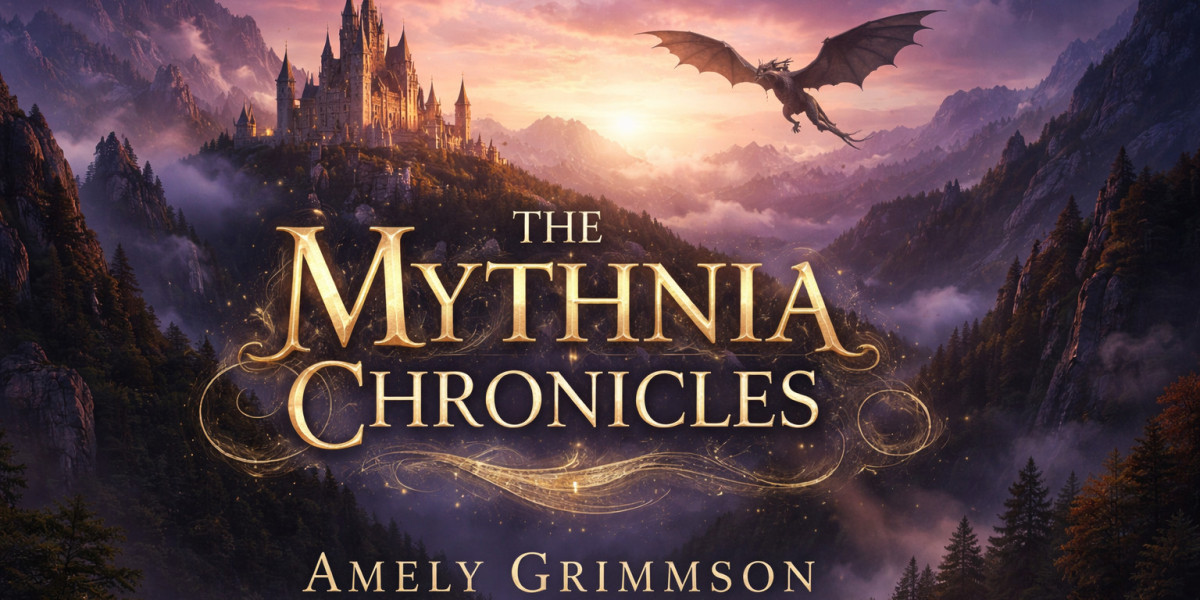
In many stories, dragons symbolize chaos.
In Mythnia, they symbolize memory.
Dragons do not exist to terrorize villages or decorate the sky. They exist because the world remembers what humans would rather forget. Old bargains. Broken names. Debts inherited across generations.
A dragon’s presence is not a threat.
It is a reminder.
They are not judges. They do not need to be.
They simply endure—long enough for consequences to arrive.
Why I chose limits over spectacle
Limitation is not a restriction on imagination. It is what gives imagination weight.
By giving magic rules, Mythnia gains something far more valuable than surprise:
trust.
Readers can follow cause and effect. Choices matter. Victories cost something real. Losses are not erased by convenience.
And when something miraculous does happen, it feels earned.
What this means for future books
As The Mythnia Chronicles continue—especially in The Oath of Shadows—the consequences of earlier choices become unavoidable.
Not because the story wants to punish its characters, but because the world is coherent.
Mythnia does not forgive lightly.
But it does not deceive.
If you are willing to follow the rules, it will show you wonders.
If you try to escape them, it will wait.
That is the promise of this world.
And the warning.
In the next letter, I’ll talk about why names carry power in Mythnia—and why forgetting them can be just as dangerous as speaking them.
— Amely Grimmson
Creator of Mythnia • The Mythnia Chronicles