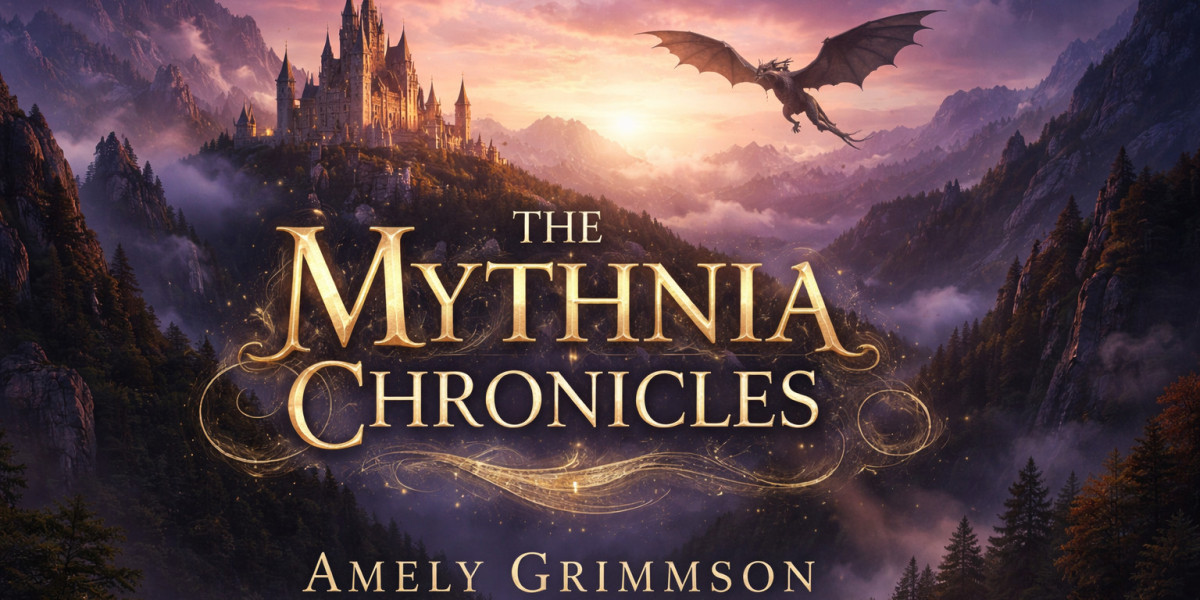

In Mythnia, a name is never just a label.
It is a direction.
Names tell the world how to remember you. They define how others may call you, summon you, bind you, or release you. And once spoken with intent, a name does not fade. It settles into the fabric of things, waiting to be answered.
This is why names are treated carefully in Mythnia—and why some are hidden, altered, or deliberately lost.
A name is a promise about identity
To name something is to claim knowledge of it.
That knowledge does not have to be complete. It does not have to be kind. But it establishes a relationship. In Mythnia, speaking a true name is not an act of power for its own sake—it is an act of responsibility.
A character who gives their name freely is offering more than trust. They are allowing the world to see them clearly. And clarity, in a world governed by rules, always comes with risk.
This is why false names exist. Why titles replace given names. Why some figures in Mythnia are known only by what they once were, not by who they are now.
Forgotten names do not disappear
One of the great misconceptions about names is that silence neutralizes them.
It does not.
In Mythnia, forgotten names are among the most dangerous forces in existence. They do not lose their power when no one speaks them. They lose their context. And power without context is unstable.
A forgotten name is a story without an ending. It continues to act, but no longer knows why.
This is why ruins matter in Mythnia. Why old inscriptions appear in unexpected places. Why characters sometimes feel the weight of something they cannot identify. The past is not gone—it is merely unnamed.
Why renaming is never innocent
To rename something in Mythnia is to attempt to change its fate.
Sometimes this is an act of mercy. Sometimes of rebellion. Sometimes of fear.
But it is never neutral.
Renaming does not erase what came before. It layers meaning. It creates tension between what was and what is claimed to be. And that tension has consequences—not immediately, perhaps, but inevitably.
Several central conflicts in The Mythnia Chronicles hinge on this quiet truth:
you can outrun a memory, but you cannot outrun a name that still belongs to you.
Names, oaths, and the shape of destiny
Names and oaths are deeply intertwined.
An oath spoken without a true name is fragile.
An oath bound to a name is nearly indestructible.
This is why some promises in Mythnia cannot be undone, even when everyone involved regrets them. The words were spoken. The name was known. The world listened.
Magic does not intervene to judge whether the oath was fair.
It only ensures that it is fulfilled.
What this means for the reader
If you read The Mythnia Chronicles closely, you will notice how often names appear at moments of change. In introductions. In farewells. In silence.
Pay attention to who is named—and who is not.
To which names are spoken aloud, and which are avoided.
Those choices are never decorative.
They are signals.
In the next letter, I’ll write about legacy in Mythnia—how debts, promises, and unfinished stories pass from one generation to the next, and why inheritance is rarely a gift.
— Amely Grimmson
Creator of Mythnia • The Mythnia Chronicles